If you’ve ever seen an envelope from the IRS and thought, “I’m going to open this later,” you’re not alone. At Tax Workout Group, we talk to taxpayers every day who feel anxious, overwhelmed, or unsure whether they’ve already made a mistake.
As we head into 2026, those concerns are understandable. Tax rules continue to change, the IRS is relying more on automation, and even minor errors can trigger letters, penalties, or follow-up questions. The good news is that most IRS problems don’t start with bad intentions—they begin with minor, fixable missteps.
This 2026 Tax Survival Guide is designed to help everyday taxpayers understand what’s different this year, what the IRS is paying attention to, and what you can do now to stay compliant and avoid unnecessary stress.
Why 2026 Is a Critical Tax Year for Consumers
Many people assume that if their job and income look about the same as last year, their taxes will too. Unfortunately, tax trouble often starts with that assumption.
The IRS Uses Matching Systems, Not Guesswork
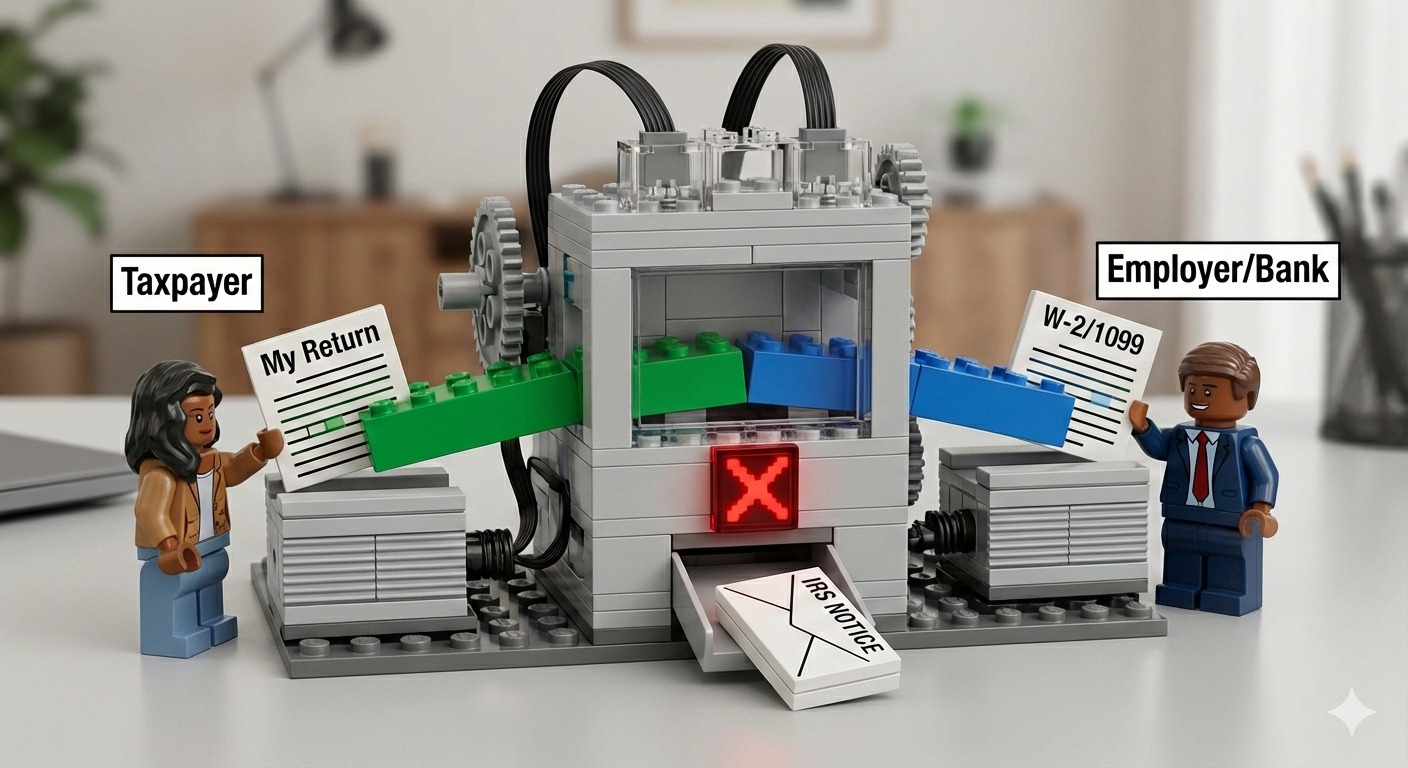
The IRS now relies heavily on automated “matching” systems. These systems compare what you report on your tax return with information reported by third parties, such as:
- Employers (W-2 forms)
- Banks and investment firms
- Gig platforms and payment processors
- Retirement account administrators
When those numbers don’t match, the IRS often automatically sends a notice. There’s no audit room and no human investigator at this stage—just a letter asking you to explain the difference.
That increased automation leads directly to the next issue many taxpayers face in 2026.
More Income Is Being Reported Automatically
Side jobs, freelance work, online sales, and app-based income are far more visible to the IRS than they were even a few years ago. Income that once slipped through the cracks is now routinely reported.
When the IRS has more data, even innocent oversights can cause problems. That’s why understanding common IRS tax mistakes is so important.
Common IRS Tax Mistakes That Create Big Problems
In our experience, IRS issues rarely begin with intentional wrongdoing. They usually start with misunderstandings.
Leaving Out Income That “Didn’t Seem Important”
This is one of the most common triggers for IRS notices.
Example: You work a regular W-2 job but earn a few thousand dollars on the side—consulting, delivery apps, or selling items online. No taxes were withheld, so it doesn’t feel like “real” income. Months later, you receive an IRS letter stating that your income was underreported, along with penalties and interest.
If a 1099 was issued, the IRS already knows about the income.
Guessing Instead of Documenting Deductions
Estimating charitable donations, business expenses, or medical costs without proper records can backfire. If the IRS asks for proof and you can’t provide it, the deduction may be disallowed—even if it was legitimate.
Mixing Personal and Business Finances
This is especially common for gig workers and side businesses. When personal and business expenses are paid from the same account, it can be challenging to explain income and deductions if the IRS has questions.
These mistakes often feel small at the time. The real issue is what happens when they trigger IRS follow-up.
Early Warning Signs of IRS Trouble
Most serious IRS cases don’t start with dramatic enforcement. They start quietly.
Watch for warning signs such as:
- IRS letters you don’t understand
- Notices claiming additional tax due
- Penalties added to balances you thought were resolved
- Multiple years of late or unfiled returns
- Ongoing anxiety about opening IRS mail
If any of these sound familiar, it doesn’t mean you’re in serious trouble—but it does mean it’s time to slow down and get clarity.
The next step is knowing what you can do now to reduce risk and stay compliant.
How to Avoid IRS Trouble in 2026: What You Can Do Now
You don’t need to become a tax expert. You need a simple, consistent approach.
Get Organized Early (Without Overcomplicating It)
Start with the basics:
- One folder (digital or paper) for tax documents
- Separate sections for income and deductions
- A habit of saving documents as they arrive
Good organization alone prevents many IRS issues.
Track All Income Sources
Make a list of every way money comes in, including:
- W-2 wages
- Freelance or gig income
- Retirement distributions
- Interest, dividends, or online sales
If money comes in, assume it needs to be reviewed for reporting purposes.
Keep Proof of Deductions
Receipts, confirmations, and bank statements matter. A photo saved to your phone or cloud storage is often enough.
Even with good records, many taxpayers worry about one big issue—what happens if they can’t pay?
Payment Planning: What If You Can’t Pay Your Tax Bill?
This is one of the most common concerns we hear, and one of the most misunderstood areas of tax compliance.
Three key points to remember:
- Always file your return, even if you can’t pay. Not filing creates additional penalties.
- Ignoring the balance makes things worse. Interest and penalties continue to add up.
- Options may exist. Depending on your situation, payment plans or other solutions may be available.
The most important thing is not to freeze or avoid the issue.
Sometimes the most brilliant move is knowing when to bring in professional help.
When It Makes Sense to Speak With a Tax Professional
Not every taxpayer needs professional help every year. But it’s wise to talk to a tax attorney or tax resolution professional if:
- You’ve received IRS notices you don’t understand
- You owe back taxes
- You’re behind on filing
- You’re worried about penalties, liens, or enforcement
- You want clarity before a minor issue becomes a big one
At Tax Workout Group, we often hear, “I wish I had reached out sooner.” Early guidance can prevent years of stress.
A Simple 2026 Tax Survival Checklist
If taxes feel overwhelming, break them into manageable steps:
- Create a tax document folder
- List all income sources
- Track deductible expenses monthly
- Separate business and personal finances
- Open and respond to IRS mail promptly
- Ask questions before guessing
A checklist doesn’t solve everything—but it puts you back in control.
Final Thought: You’re Not Behind—You’re Getting Informed
Tax problems are common. They don’t mean you’ve failed or done something wrong on purpose. What matters is taking action early and getting clear information.
Whether you’re staying compliant or trying to get back on track, help is available—and the sooner you act, the more options you usually have.
Ready to Get Clarity?
If you’re worried about IRS notices, back taxes, or possible mistakes—or you want to make sure you’re on the right track for 2026—we’re here to help.
Don’t wait for an IRS letter to decide your next move.
Schedule a free, confidential consultation with the tax law professionals at Tax Workout Group.
A short conversation now can help prevent much bigger problems later.
